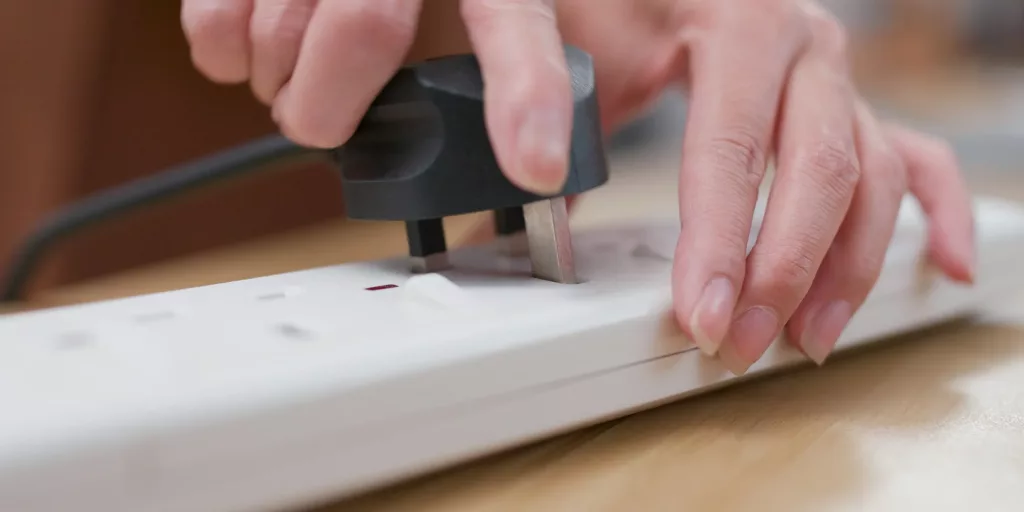
Computer equipment is part of everyday working life, but it is still electrical equipment and needs to be managed safely. From desktop PCs and monitors to laptop chargers, printers, docking stations and extension leads, each item can develop faults through age, movement, poor cable management or regular use. PAT testing computers is not always about carrying out the same tests used on higher-risk appliances.
In many cases, the focus is on checking the condition of plugs, leads, casings and accessories, then applying suitable electrical tests where needed. For employers, landlords and duty holders, the aim is to keep equipment safe, reduce avoidable risks and maintain clear records that show electrical appliances are being looked after responsibly.
Can You PAT Test Computers?
Yes, you can PAT test computers, and in many workplaces, rental properties, offices, schools, and commercial premises, computers are included within an electrical equipment maintenance programme.
However, there is often confusion about what “PAT testing a computer” actually means. A desktop computer is not tested in the same way as a kettle, heater, power tool, or other higher-risk appliance. In many cases, the most important part of computer PAT testing is a careful visual inspection of the plug, cable, casing, power lead, and connected accessories, followed by the correct electrical tests where appropriate.
For landlords, employers, business owners, and duty holders, the key point is simple: computer equipment must be kept safe for use. PAT testing is one recognised way to help demonstrate that electrical equipment has been checked, maintained, and recorded as part of a sensible safety process.
What Does PAT Testing a Computer Involve?
PAT testing, or Portable Appliance Testing, is the process of inspecting and testing electrical appliances and equipment to help confirm they are safe to use. When it comes to computers, the inspection usually focuses on the complete setup rather than just the computer tower or monitor on its own.
A typical computer workstation may include several separate electrical items, including:
- Desktop computer towers and mini PCs
- Monitors and display screens
- Laptop chargers and power supply units
- Printers, scanners, docking stations, and powered accessories
- Extension leads, surge protectors, and detachable power cables
The tester will normally inspect each item for visible damage, then decide which electrical tests are suitable. This matters because some IT equipment is sensitive, double insulated, or connected through detachable power leads, so it should be assessed using the correct testing method.
Protect your IT assets today with our professional, non-intrusive electrical safety inspections
Is Computer PAT Testing a Legal Requirement?
There is no specific UK law that says every computer must be PAT tested every year. The legal duty is broader than that. Employers and duty holders must make sure electrical equipment is maintained in a safe condition so it does not create danger.
In practice, PAT testing is often used because it provides a clear inspection and testing record, evidence that electrical equipment has been checked, pass or fail labels for easy identification, and a practical way to manage multiple appliances across one or more premises.
Do Office Computers Need PAT Testing?
Office computers can be PAT tested, but the frequency and level of testing should be based on risk. A computer in a quiet office is usually lower risk than a portable tool on a construction site, but it is still electrical equipment and should not be ignored.
The risk level depends on how the equipment is used. A desktop computer that rarely moves and has cables safely routed behind a desk may only need periodic visual inspection and occasional testing. A laptop charger that is unplugged daily, carried between home and work, bent, twisted, or used in different locations may need more regular inspection.
Ensure your workspace stays safe and compliant with our expert, hassle-free computer PAT testing
Keep Your Electrical Equipment Safe
What Parts of a Computer Setup Are Usually Tested?
When people ask “Can you PAT test computers?”, they often mean the whole workstation. In most cases, the computer setup contains several separate electrical items, each of which may need checking.
Desktop Computer Towers
A desktop computer tower can be inspected for damage to the casing, ventilation areas, power connection, and supply cable. If the tower uses a detachable IEC lead, the lead may be tested separately. The tester will choose suitable tests based on the equipment class and manufacturer considerations.
Monitors
Monitors are commonly included during office PAT testing. The tester will check the power cable, plug, casing, screen housing, and any signs of overheating or damage. Like computer towers, monitors often use detachable leads that can be inspected and tested.
Laptop Chargers
Laptop chargers are one of the most important computer-related items to inspect because they are moved frequently. Cables can become frayed, bent, crushed, or damaged near the plug or transformer. A faulty charger can create a risk of electric shock, overheating, or fire.
Extension Leads and Surge Protectors
Extension leads are often a higher priority than the computer itself because they are frequently overloaded, damaged, or used incorrectly. A workstation with multiple monitors, chargers, printers, and accessories may rely on one extension block, so this should be checked carefully.
From monitors to chargers, we provide thorough checks to keep your entire workstation running safely
Can PAT Testing Damage a Computer?
When carried out correctly by a competent person using appropriate test equipment, PAT testing should not damage a computer. The important phrase is “carried out correctly.”
IT equipment can be more sensitive than simple electrical appliances. A trained PAT tester should understand which tests are suitable, which tests may not be appropriate, and how to avoid unnecessary stress on electronic components. For example, some equipment may require earth continuity testing, insulation testing using suitable settings, or alternative methods depending on its design.
Who Can PAT Test Computers?
A computer should be PAT tested by someone competent to carry out the inspection and testing properly. This does not always have to be a qualified electrician for basic visual inspections in low-risk environments, but combined inspection and testing requires more knowledge, suitable equipment, and the ability to interpret results correctly.
For businesses, landlords, letting agents, and duty holders, using a professional PAT testing provider is often the simplest option. It means the inspection is carried out consistently, results are recorded clearly, and failed items can be identified without guesswork.
A professional PAT tester should understand electrical equipment classes, suitable test methods for IT equipment, safe handling of plugs and leads, pass and fail criteria, record keeping, labelling, and risk-based testing frequency.
This is especially useful when you have multiple computers, office appliances, printers, monitors, extension leads, and chargers across one or more properties.
Trust our certified professionals to deliver accurate results and comprehensive safety documentation for your business
How Often Should Computers Be PAT Tested?
There is no single fixed interval that applies to every computer. The right PAT testing frequency depends on the environment, the type of equipment, and how it is used.
A desktop computer in a low-risk office may not need annual electrical testing if it is rarely moved and remains in good condition. A laptop charger used every day, moved between properties, or used by different people may need more frequent checks. Equipment in schools, workshops, hospitality venues, warehouses, or rental properties may also need a different approach.
A practical computer PAT testing process is:
- Carry out regular user checks for obvious damage, such as frayed cables, cracked plugs, burn marks, loose connections, or exposed wiring.
- Arrange formal visual inspections at suitable intervals, especially for chargers, extension leads, and equipment that is moved regularly.
- Use combined inspection and testing where the risk level justifies it, then keep clear records showing what was checked, when it was tested, and whether it passed or failed.
This approach helps avoid both under-testing and unnecessary testing. It also gives businesses, landlords, and duty holders a clear record of responsible electrical safety management.
Why Computer PAT Testing Matters for Businesses and Landlords
Computer equipment is often seen as low risk, but low risk does not mean no risk. Damaged plugs, crushed cables, overloaded extension leads, and faulty laptop chargers can all create hazards. In a busy office or rental property, these issues are easy to miss unless there is a clear inspection routine.
For businesses, PAT testing supports workplace safety and helps demonstrate that electrical equipment is being maintained. For landlords, it can help show that supplied appliances and electrical items have been checked as part of responsible property management. For agencies and property managers, it provides clear documentation across multiple sites.
The main benefits include:
- Reduced risk of electrical faults and damaged equipment being left in use
- Clearer compliance records for staff, tenants, visitors, customers, landlords, and duty holders
- Easier asset management across computers, monitors, chargers, printers, and office appliances
- Identification of unsafe items before they create avoidable disruption or danger
- Same-day documentation when using Legionella Risk and PAT
Protect your investment and your tenants with our transparent, efficient, and fully documented testing
Book PAT Testing for Computers and Office Equipment in Scotland
If you are responsible for computers, monitors, laptop chargers, printers, extension leads, or other office appliances, professional PAT testing can help you manage electrical safety with confidence.
Legionella Risk and PAT works with landlords, letting agents, businesses, duty holders, and property managers across Scotland. Our PAT testing service includes inspection, testing where appropriate, appliance labels, and clear documentation so you know which items have passed, failed, or need attention.